Themes
Existentialism and the Meaning of Life
9 films
Films about the search for meaning, faith, and human existence.
Strip away distraction, ambition, and routine, and eventually a person is left alone with a single question: does any of this mean anything? The existentialists refused to hand over a ready-made answer. Kierkegaard demanded a leap of faith without guarantees; Sartre insisted we are condemned to be free, authors of ourselves whether we like it or not; Camus imagined Sisyphus almost content pushing his boulder, because the struggle itself could be enough. The films in this collection stage that same refusal to settle for easy meaning. A knight bargains with Death over a chessboard because he needs one honest answer before the plague takes him. A journalist drifts through Roman nightlife searching for a version of the good life that never quite arrives. Two men argue about God and Pascal's wager over a single dinner, or a single snowbound night, and neither fully wins. A simple gardener is mistaken for a sage because television has hollowed out the difference between wisdom and image. Somewhere between comedy and dread, these movies keep circling the same unanswerable thing: what do we owe ourselves, once no external authority is left to tell us how to live?
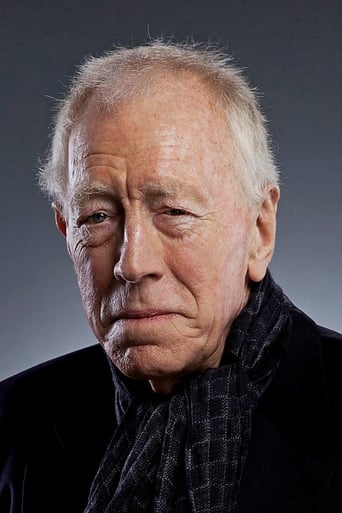
When disillusioned Swedish knight Antonius Block returns home from the Crusades to find his country in the grips of the Black Death, he challenges Death to a chess match for his life. Tormented by the belief that God does not exist, Block sets off on a journey, meeting up with traveling players Jof and his wife, Mia, and becoming determined to evade Death long enough to commit one redemptive act while he still lives.

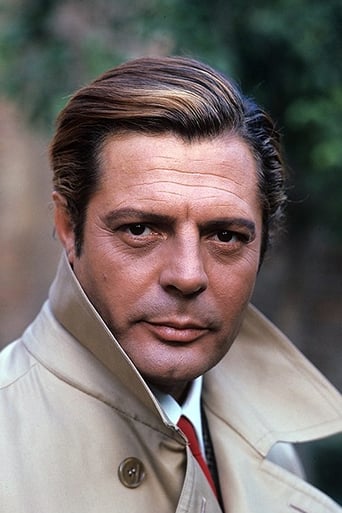
Episodic journey of journalist Marcello who struggles to find his place in the world, torn between the allure of Rome's elite social scene and the stifling domesticity offered by his girlfriend, all the while searching for a way to become a serious writer.




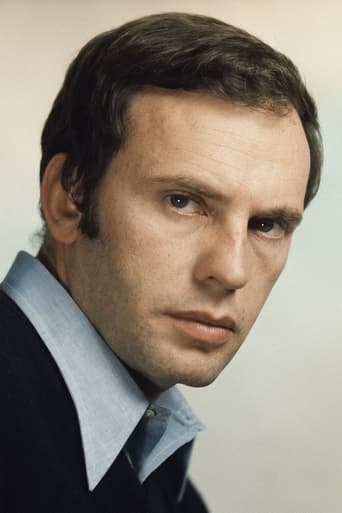
The Catholic Jean-Louis runs into an old friend, the Marxist Vidal, in Clermont-Ferrand around Christmas. Vidal introduces Jean-Louis to the modestly libertine, recently divorced Maud and the three engage in conversation on religion, atheism, love, morality and Blaise Pascal's life and writings on philosophy, faith and mathematics. Jean-Louis ends up spending a night at Maud's. Jean-Louis' Catholic views on marriage, fidelity and obligation make his situation a dilemma, as he has already, at the very beginning of the film, proclaimed his love for a young woman whom, however, he has never yet spoken to.
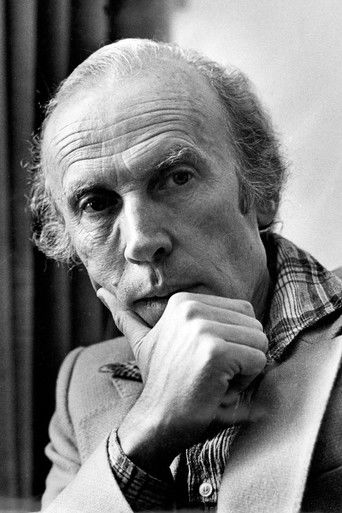

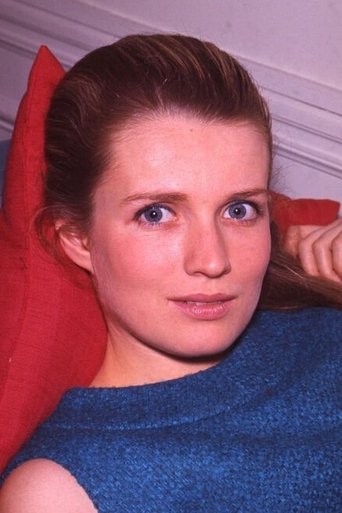
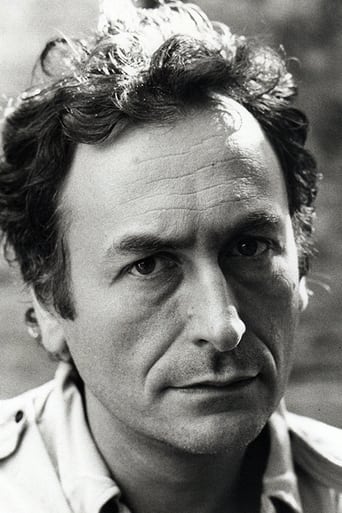
In czarist Russia, a neurotic soldier and his distant cousin formulate a plot to assassinate Napoleon.


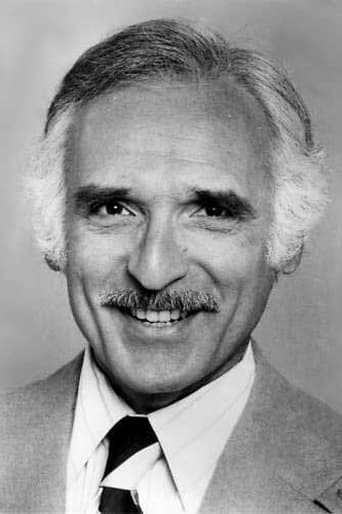

A simple-minded gardener named Chance has spent all his life in the Washington D.C. house of an old man. When the man dies, Chance is put out on the street with no knowledge of the world except what he has learned from television.
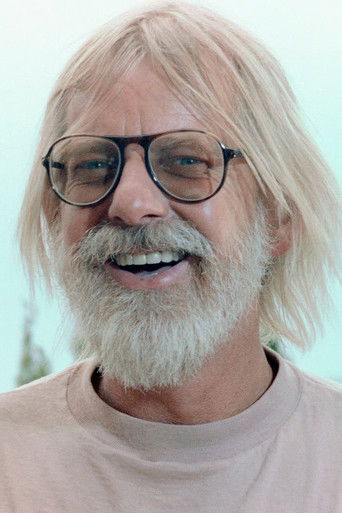


Wally, a struggling playwright and actor, reluctantly agrees to catch up with his old friend Andre, a theater director who disappeared several years prior in order to travel the world. Meeting at a posh Manhattan restaurant, the two share life stories, anecdotes and philosophical musings over the course of an evening meal.

A renowned New York playwright is enticed to California to write for the movies and discovers the hellish truth of Hollywood.



A husband-and-wife team play detective, but not in the traditional sense. Instead, the happy duo helps others solve their existential issues, the kind that keep you up at night, wondering what it all means.




An uncompromising, visionary architect struggles to maintain his integrity and individualism despite personal, professional and economic pressures to conform to popular standards.



No films in this genre.