People
David Lynch's Favorite Films
10 films
Films David Lynch repeatedly named among his personal favourites and key influences.
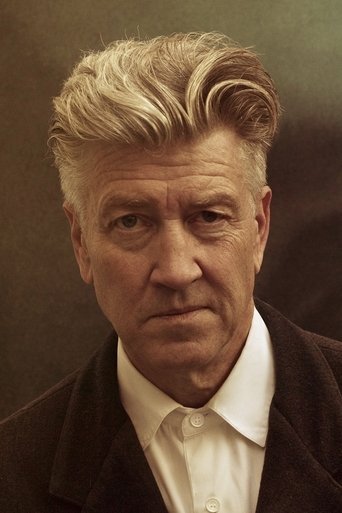 David Lynch
David Lynch rarely gave long ranked lists, but over decades of interviews he kept returning to the same handful of films with genuine affection. He loved the pure visual magic of Fellini, the dreamlike Hollywood of Billy Wilder, the precise control of Hitchcock, the gentle absurdity of Jacques Tati, and the dark humour of Kubrick’s Lolita. These were the pictures he watched repeatedly and spoke about with the same quiet intensity he brought to his own work.
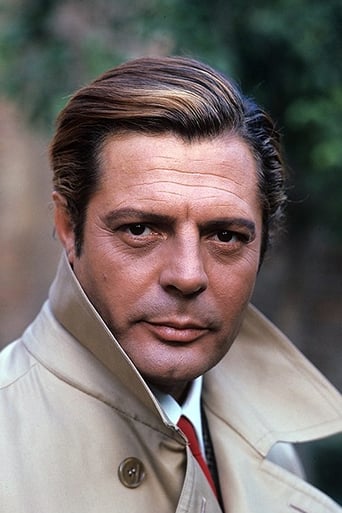
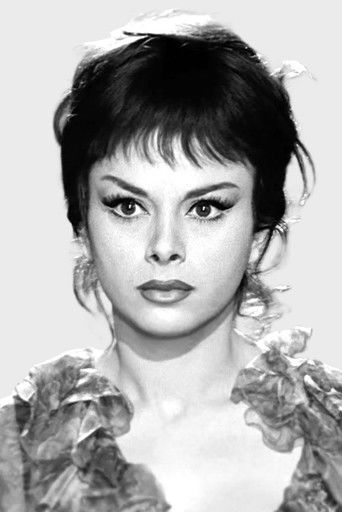
Guido Anselmi, a film director, finds himself creatively barren at the peak of his career. Urged by his doctors to rest, Anselmi heads for a luxurious resort, but a sorry group gathers—his producer, staff, actors, wife, mistress, and relatives—each one begging him to get on with the show. In retreat from their dependency, he fantasizes about past women and dreams of his childhood.

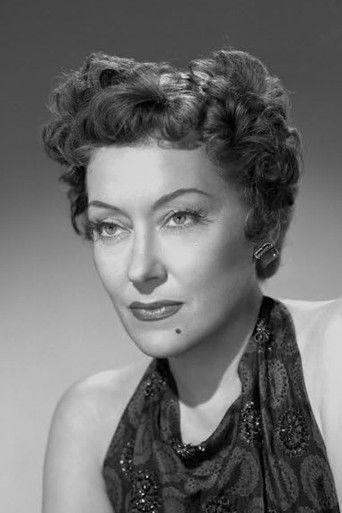
A hack screenwriter writes a screenplay for a former silent film star who has faded into Hollywood obscurity.
Monsieur Hulot, Jacques Tati’s endearing clown, takes a holiday at a seaside resort, where his presence provokes one catastrophe after another. Tati’s masterpiece of gentle slapstick is a series of effortlessly well-choreographed sight gags involving dogs, boats, and firecrackers; it was the first entry in the Hulot series and the film that launched its maker to international stardom.
A wheelchair-bound photographer spies on his neighbors from his apartment window and becomes convinced one of them has committed murder.
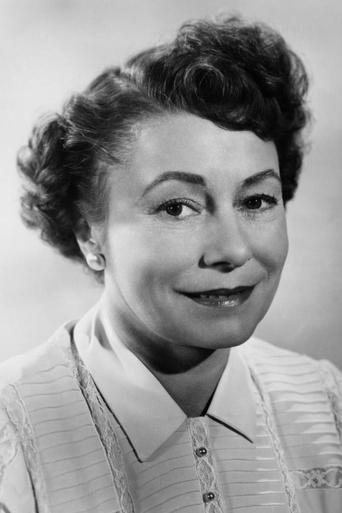
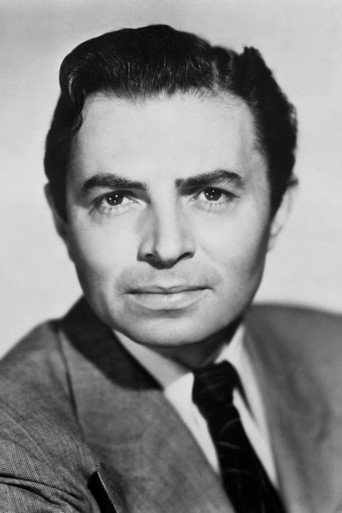
Humbert Humbert is a middle-aged British novelist who is both appalled by and attracted to the vulgarity of American culture. When he comes to stay at the boarding house run by Charlotte Haze, he soon becomes obsessed with Lolita, the woman's teenaged daughter.
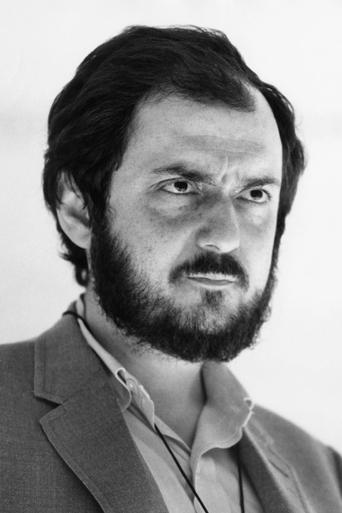


Young Dorothy finds herself in a magical world where she makes friends with a lion, a scarecrow and a tin man as they make their way along the yellow brick road to talk with the Wizard and ask for the things they miss most in their lives. The Wicked Witch of the West is the only thing that could stop them.

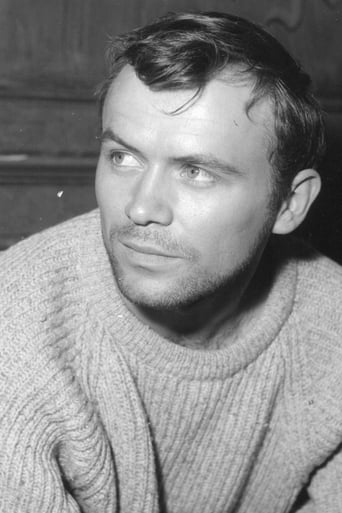
Bruno Stroszek is released from prison and warned to stop drinking. He has few skills and fewer expectations: with a glockenspiel and an accordion, he ekes out a living as a street musician. He befriends Eva, a prostitute down on her luck and they join his neighbor, Scheitz, an elderly eccentric, when he leaves Germany to live in Wisconsin.


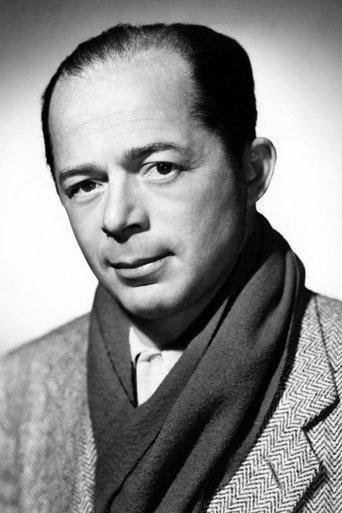
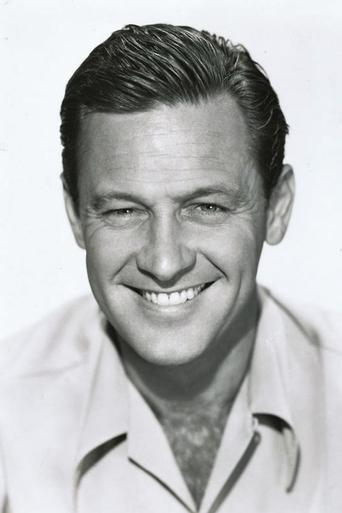
Bud Baxter is a minor clerk in a huge New York insurance company, until he discovers a quick way to climb the corporate ladder. He lends out his apartment to the executives as a place to take their mistresses. Although he often has to deal with the aftermath of their visits, one night he's left with a major problem to solve.
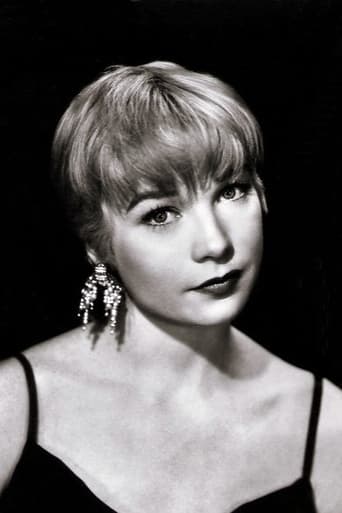

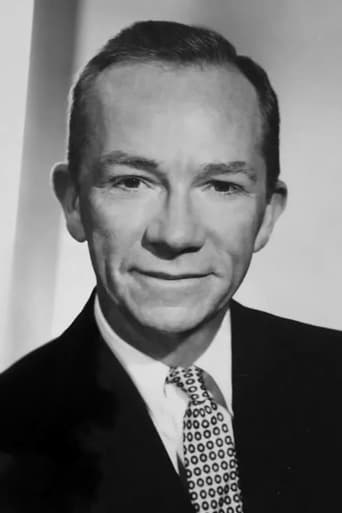
After he inherits some money, Harold Bissonette ("pronounced bis-on-ay") decides to give up the grocery business, move to California and run an orange grove. Despite his family's objections and the news that the land he bought is worthless, Bissonette packs up and drives out to California with his nagging wife Amelia and children.
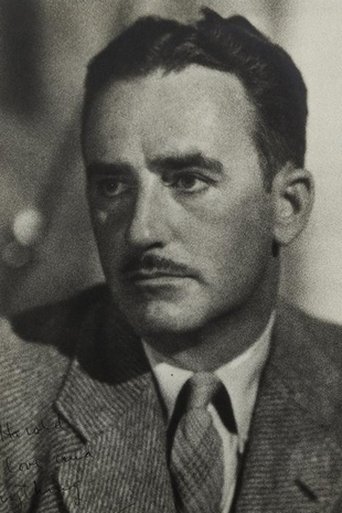


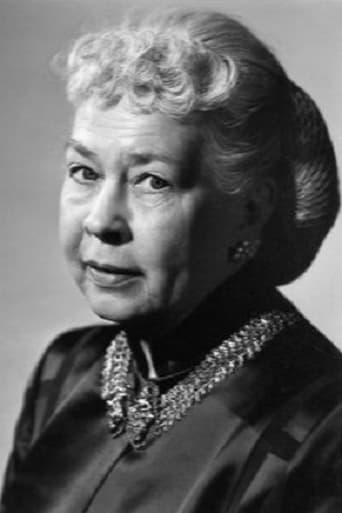
Genial, bumbling Monsieur Hulot loves his top-floor apartment in a grimy corner of the city, and cannot fathom why his sister's family has moved to the suburbs. Their house is an ultra-modern nightmare, which Hulot only visits for the sake of stealing away his rambunctious young nephew. Hulot's sister, however, wants to win him over to her new way of life, and conspires to set him up with a wife and job.
No films in this genre.